


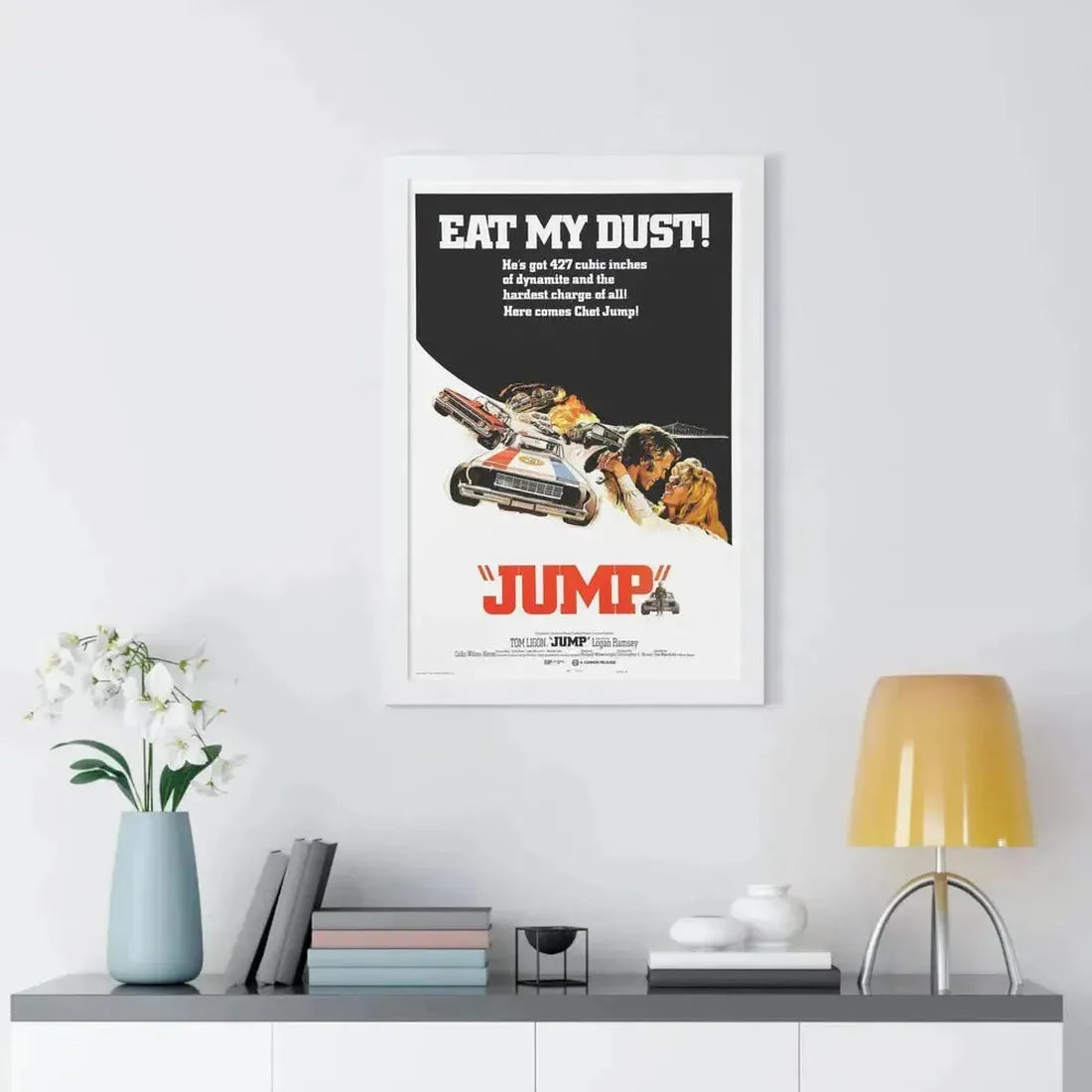
Premium framed posters printed on museum-quality matte paper (200 g/m²) and finished in a sturdy MDF frame with a protective acrylic cover. Frames come in black, walnut, or white and include built-in hanging hardware for quick installation.
These framed posters are printed on heavy, museum-grade matte paper that resists yellowing and presents images with a refined, low-glare finish. The paper weight (200 g/m², Sensaria) gives a substantial, archival feel without being overly glossy.
Each poster is mounted in an MDF frame (available in black, walnut, or white) and protected by a clear acrylic cover that shields the print from dust and light scuffs. The frame construction is designed to be stable and low-maintenance—MDF resists swelling and warping under normal indoor conditions.
- Paper: museum-quality matte paper, 200 g/m² (Sensaria) for archival-style handling and muted reflection.
- Frame: durable MDF build, offered in black, walnut, or white finishes.
- Cover: protective acrylic panel (lighter and shatter-resistant compared with glass).
- Hardware: hanging hardware is integrated into the back for straightforward mounting.
- Origin: blank product sourced from the USA and finished to order.
Framed posters work well wherever you want a clean, gallery-style presentation—living rooms, hallways, offices, and reception areas. The matte finish keeps reflections low, so colors and detail remain readable under typical indoor lighting.
- Choose placement: pick a wall away from direct, prolonged sunlight to help preserve color over time.
- Mounting: use the built-in hanging hardware for a level install; a single stud or a pair of picture hooks is usually sufficient depending on size.
- Pairing: group multiple frames at eye level for a cohesive display, or use a single statement piece above a console or sofa.
Pro tip: for humid rooms (bathrooms, near kitchens), avoid placing prints where steam or splashes regularly occur—MDF and moisture don’t mix well long-term.
Care is intentionally simple. Dust the acrylic face with a soft, dry microfiber to remove particles. If needed, wipe the cover with a lightly damp cloth and dry immediately—do not use ammonia-based cleaners, which can cloud acrylic over time.
Occasional inspection of the hanging hardware and frame corners is wise; tighten any loose fittings and keep frames upright and supported to prevent warping or strain on joints.
Framed posters are offered in multiple sizes to suit different spaces. Dimensions are provided as the full framed size (width × height) so you can plan placement and wall spacing accurately.
If you’re unsure which size will work, measure the intended wall area and allow for at least 4–6 inches of breathing room around the frame for best visual balance.