


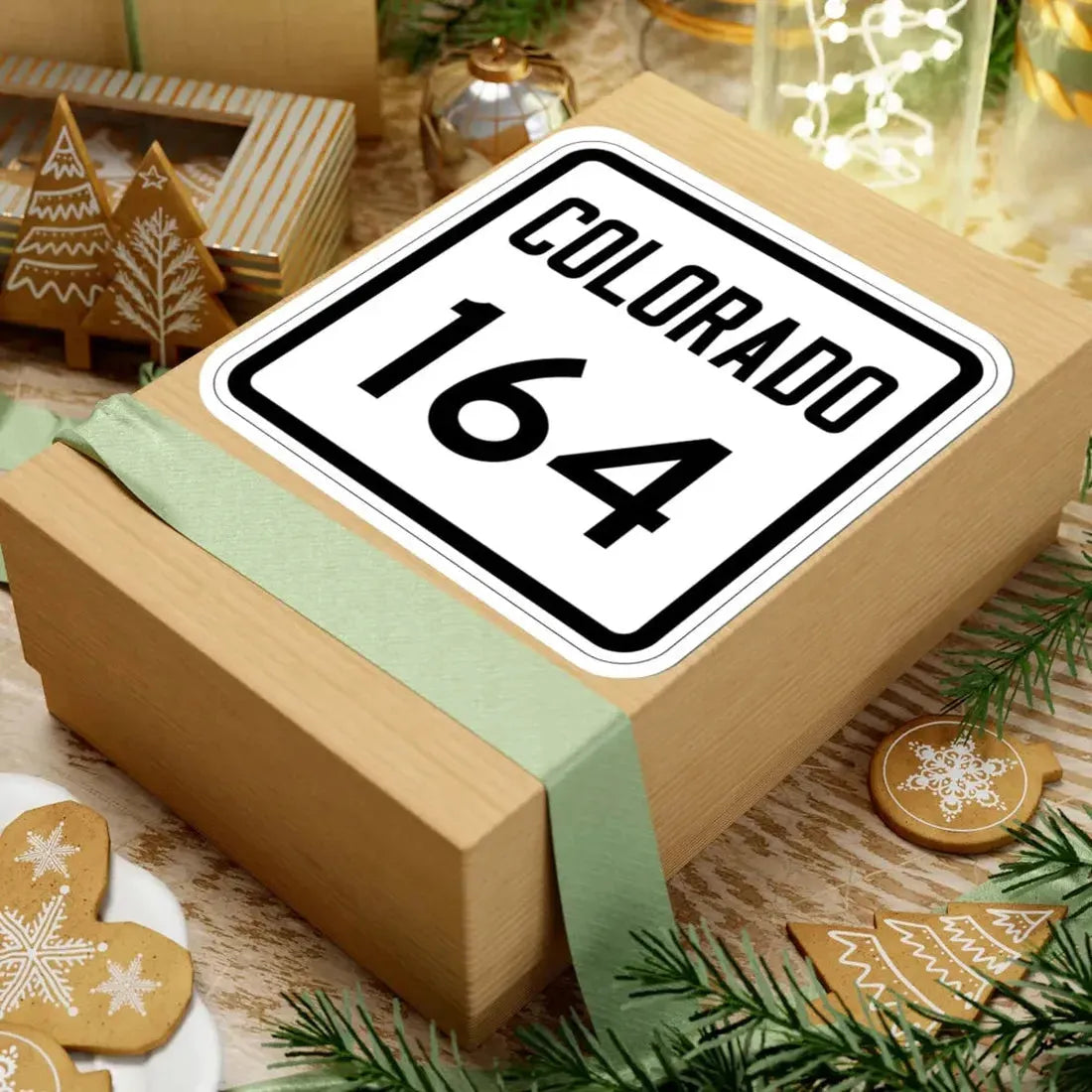
Glossy kiss-cut vinyl stickers made for smooth, indoor surfaces — laptops, journals, mirrors, and other finished items. Crisp edges, vivid color, strong hold, and not waterproof.
What “kiss-cut” means: the blade cuts the vinyl layer into the exact shape while leaving the backing liner whole, so pieces separate cleanly and lift off the sheet without tearing. It’s the neatest way to produce shaped stickers and multi-piece sheets.
- Material: reliable vinyl face with a permanent acrylic adhesive formulated for smooth, non-porous surfaces.
- Finish: glossy surface that enhances contrast and depth without feeling overly reflective.
- Printing: eco-solvent inks provide dense color and crisp detail for fine lines and gradients.
- Use case: intended for indoor environments only — not waterproof. Not recommended for continuous exposure to moisture or dishwashing.
- Application friendly: easy-peel backing and a liner that releases cleanly to help reduce bubbles and misfeeds during placement.
These stickers perform best on smooth, dust-free surfaces — think laptop lids, sealed notebooks, glass, mirrors, finished shelving and lockers. They’ll stick well where the surface is flat and clean; avoid rough wood, silicone, fabric, and heavily textured paint.
- Clean: remove dust and oils with a lint-free cloth. For stubborn grime, use a mild soap and water rinse; let the area dry completely.
- Align: peel a corner, position carefully, then press the center down first.
- Smooth: work outward from the center with a soft card or a thumb to push air out and ensure the edges set down firmly.
Tip: give the adhesive 24 hours to fully settle before heavy handling. These are not designed for outdoor or wet conditions.
- Gently dust with a soft, dry cloth, moving from the center outward to avoid scratching the gloss.
- For light marks, a barely damp microfiber will lift residue — blot, don’t scrub, and dry right away.
- Avoid bleach, solvents, abrasive pads, and steam; moisture or harsh chemicals can lift edges and fade inks.
Reminder: these stickers are not waterproof. Keep them away from sinks, outdoor exposure, and dishwasher cycles to maintain adhesion and finish.
Sizes are measured across the sticker’s longest side. For example, a 3″ sticker is 3 inches across its largest dimension (height or width, depending on the shape).
The kiss-cut follows the sticker’s outline for a tidy border; complex shapes can show small variances, but the advertised measurement refers to the maximum edge-to-edge length.